

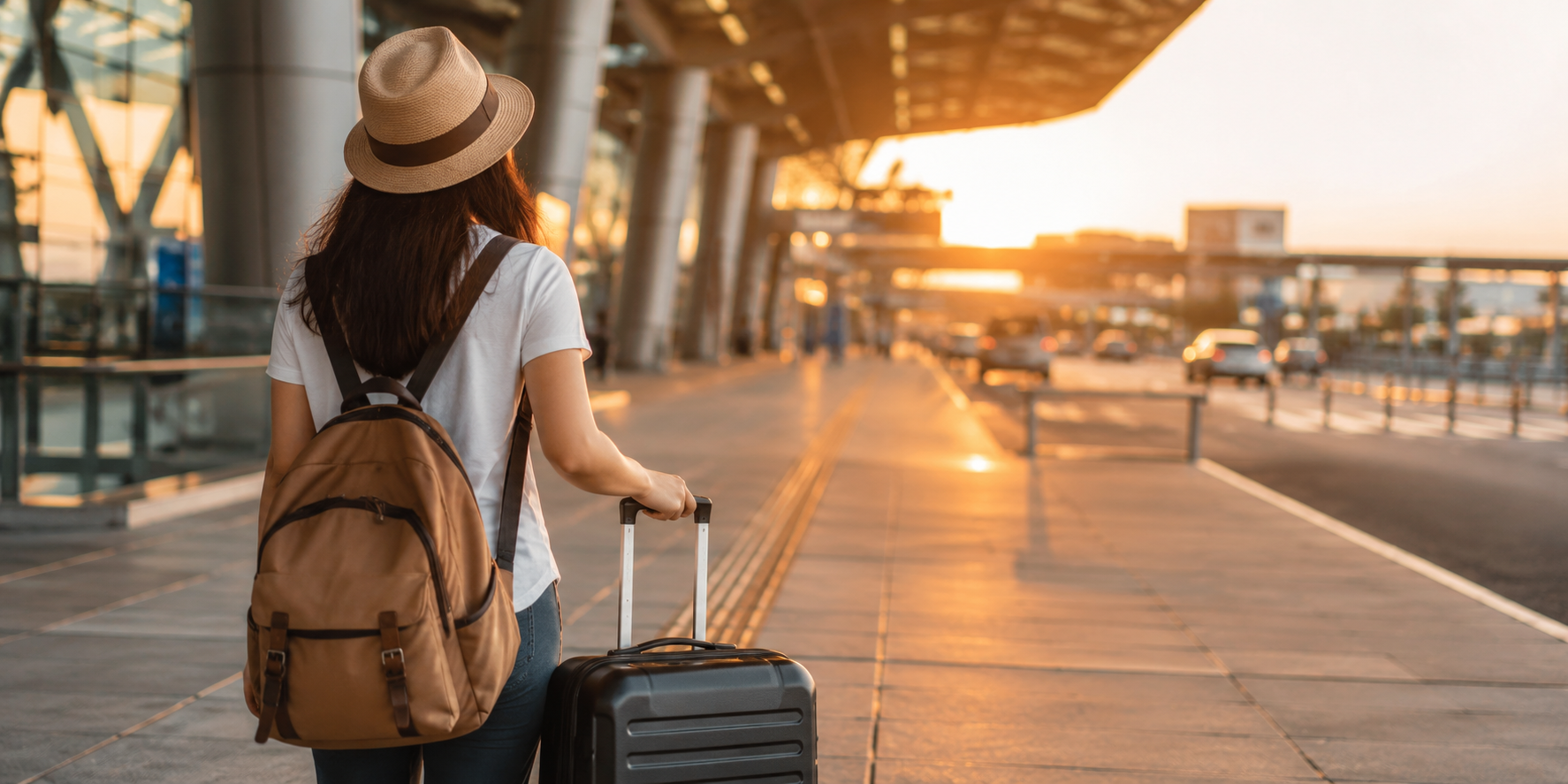
Planning your first trip can be exciting, but it can also feel a little overwhelming. From booking flights and choosing accommodation to packing your suitcase and finding your way around a new destination, there are many things to think about. The good news is that you do not need to plan everything perfectly to enjoy your journey.
These travel tips for first-time travelers will help you prepare for your trip, avoid common mistakes, save money, and travel with more confidence.
Before booking flights or accommodation, learning how to plan a trip can make it easier to organise your budget, itinerary, transport, and important travel documents.
1. Choose an Easy Destination for Your First Trip
Your first trip does not have to be complicated. Instead of trying to visit several countries or cities in a short period, choose one destination and give yourself enough time to enjoy it.
Look for a place that matches your budget, interests, and comfort level. Before booking, check:
- Visa requirements
- Weather during your travel dates
- Average hotel prices
- Local transport options
- Safety information
- Currency and payment methods
A well-chosen destination can make your first travel experience much less stressful.
2. Set a Realistic Travel Budget
One of the most important travel tips for first-time travelers is to decide how much you can comfortably spend before making bookings.
Your budget should include more than just flights and hotels. Remember to account for:
- Flights or other transportation
- Accommodation
- Food and drinks
- Airport transfers
- Local transportation
- Attractions and activities
- Travel insurance
- Shopping
- Emergency expenses
It is also a good idea to keep some extra money aside for unexpected costs. Prices can change, and small expenses can quickly add up while travelling.
3. Book Important Things in Advance
For a first trip, booking the essentials in advance can give you peace of mind. You do not need to plan every hour of your holiday, but having your major arrangements confirmed before departure is helpful.
Consider booking:
- Your flight
- Accommodation for at least the first few nights
- Airport transport if needed
- Popular attractions with limited availability
- Travel insurance
Keep copies of your booking confirmations on your phone and save important details somewhere you can access them offline.
4. Check Your Passport and Travel Documents Early
For international journeys, it is also worth checking official travel advice for your destination before departure, including entry requirements, safety information, and local travel guidance.
Do not wait until a few days before your trip to check your documents. Make sure your passport is valid for your destination and check whether you need a visa or other entry documents.
Keep digital and physical copies of important documents, including:
- Passport
- Visa
- Flight details
- Hotel reservations
- Travel insurance information
- Emergency contact details
Store copies separately from the originals. This can be very helpful if something gets lost during your trip.
5. Do Not Overpack
Overpacking is one of the most common mistakes first-time travelers make. It may seem sensible to pack something for every possible situation, but carrying a heavy suitcase can make your journey more difficult.
Choose clothes that can be mixed and matched and pack according to the weather. Comfortable shoes are especially important because you may walk much more than usual.
A simple packing list can include:
- Comfortable everyday clothes
- A light jacket or layer
- Comfortable walking shoes
- Toiletries
- Phone charger
- Travel adapter if needed
- Essential medicines
- Important documents
Try to leave some extra space in your luggage for items you may buy during your trip.
6. Arrive at the Airport Early
Your first airport experience may feel confusing, especially if you are flying internationally. Give yourself plenty of time so you do not have to rush through check-in, security, and other procedures.
Check your airline’s recommended arrival time before leaving home. Also make sure you understand baggage rules, including carry-on restrictions and weight limits.
Keep your passport, boarding pass, phone, and other essential documents somewhere easy to reach.
7. Keep Your Money in More Than One Place
Carrying all your cash in one wallet or bag can create problems if it is lost or stolen. A better approach is to divide your money and keep a backup payment option.
For example, you could keep:
- Some cash in your wallet
- A backup card in a separate secure place
- Emergency funds that you do not use unless necessary
Before travelling internationally, check whether your bank card will work at your destination and learn about possible foreign transaction fees.
8. Learn Basic Information About Your Destination
You do not need to become an expert before you travel, but learning a few basics can make your trip much easier.
Find out about:
- Local currency
- Common payment methods
- Public transport
- Local customs
- Emergency numbers
- Basic phrases in the local language
- Areas to avoid, if any
- Opening hours for attractions and businesses
Even learning simple words such as “hello,” “thank you,” and “help” can make communication easier.
9. Get a Local SIM or Reliable Internet Access
Having internet access can be extremely useful for first-time travelers. You may need it for maps, hotel information, transport bookings, translation, and contacting family.
Before your trip, compare options such as international roaming, a local SIM card, or an eSIM. Also download important information before leaving your hotel in case you temporarily lose your connection.
Offline maps are particularly useful when exploring a new city.
10. Do Not Plan Every Minute of Your Trip
It is tempting to create a packed itinerary when visiting somewhere new, but trying to see everything can leave you exhausted.
Choose a few places you really want to visit each day and leave room for unexpected discoveries, delays, meals, and rest.
A slower trip often gives you more time to actually enjoy your destination.
11. Use Maps and Local Transport Apps
Getting lost is normal when you are visiting a new place. Instead of worrying, prepare yourself by downloading a reliable map and checking local transportation options before you arrive.
Save the location of your hotel and important places. You should also learn how to get from the airport or station to your accommodation before landing.
This small amount of preparation can save you a lot of stress.
12. Be Careful With Your Belongings
You do not need to be constantly worried while travelling, but basic awareness is important. Keep valuable items secure, particularly in crowded tourist areas and on public transport.
Avoid leaving your phone, wallet, passport, or bag unattended. If you are carrying a backpack, keep important items in secure compartments.
Try not to display large amounts of cash or expensive valuables unnecessarily.
13. Buy Travel Insurance
Travel insurance may feel like an extra expense, but unexpected problems can happen. A cancelled trip, delayed baggage, or emergency situation could become expensive without proper coverage.
Before buying a policy, read what it covers and what exclusions apply. Choose coverage that matches your destination and the activities you plan to do.
14. Keep Emergency Contacts Handy
Save important phone numbers before your trip, including:
- A family member or trusted contact
- Your accommodation
- Your travel insurance provider
- Your bank
- Local emergency services
It is a good idea to keep this information somewhere other than your phone as well.
15. Try Local Food, but Use Common Sense
Trying local food is one of the best parts of travelling. Visit restaurants that look clean and busy, and do a little research when choosing places to eat.
If you have food allergies or dietary requirements, learn how to communicate them clearly before travelling.
There is no need to avoid unfamiliar food completely. Just make sensible choices and pay attention to hygiene.
16. Respect Local Culture and Rules
Every destination has its own customs, traditions, and expectations. Before travelling, learn about local etiquette, particularly regarding clothing, photography, religious sites, and public behaviour.
Respecting local culture can help you avoid uncomfortable situations and create better experiences with the people you meet.
17. Do Not Share Your Entire Travel Plan Publicly
Social media makes it tempting to post every part of a trip in real time. However, consider your privacy and security before sharing your exact location, hotel details, or full travel schedule publicly.
You can still share your favourite photos without revealing every detail about where you are staying.
18. Give Yourself Permission to Make Mistakes
You may miss a bus, take a wrong turn, choose an average restaurant, or forget to pack something. These things happen to experienced travelers too.
The key is not to panic. Most small travel problems can be solved, and sometimes unexpected moments become the stories you remember most.
Your first trip is a learning experience, so you do not need to get everything right.
Final Thoughts
The best travel tips for first-time travelers are simple: plan the important details, keep your documents and money secure, pack smart, stay flexible, and give yourself time to enjoy the experience.
You do not need an expensive itinerary or years of travel experience to have a great trip. Start with a destination that feels manageable, prepare before you leave, and remain open to new experiences once you arrive.
Your first journey may feel intimidating before you go, but with a little preparation, it can become the beginning of many memorable adventures.
Frequently Asked Questions
What should a first-time traveler do before travelling?
A first-time traveler should check passport and visa requirements, create a realistic budget, book important arrangements, buy suitable travel insurance, research the destination, and pack only essential items.
How much money should a first-time traveler take?
The amount depends on your destination, trip length, accommodation, food choices, and planned activities. Calculate expected costs in advance and keep extra emergency funds available.
What is the biggest mistake first-time travelers make?
Overpacking and planning too many activities are common mistakes. It is usually better to pack light and leave flexibility in your itinerary.
Is travel insurance necessary for first-time travelers?
Travel insurance can provide useful protection against certain unexpected problems, such as eligible medical emergencies, cancellations, or lost baggage. Always check the policy’s coverage and exclusions before purchasing.
How can I travel confidently for the first time?
Preparation helps build confidence. Research your destination, know your important travel details, keep emergency contacts available, and remember that small mistakes are a normal part of travelling.
 Michelle Yeoh