

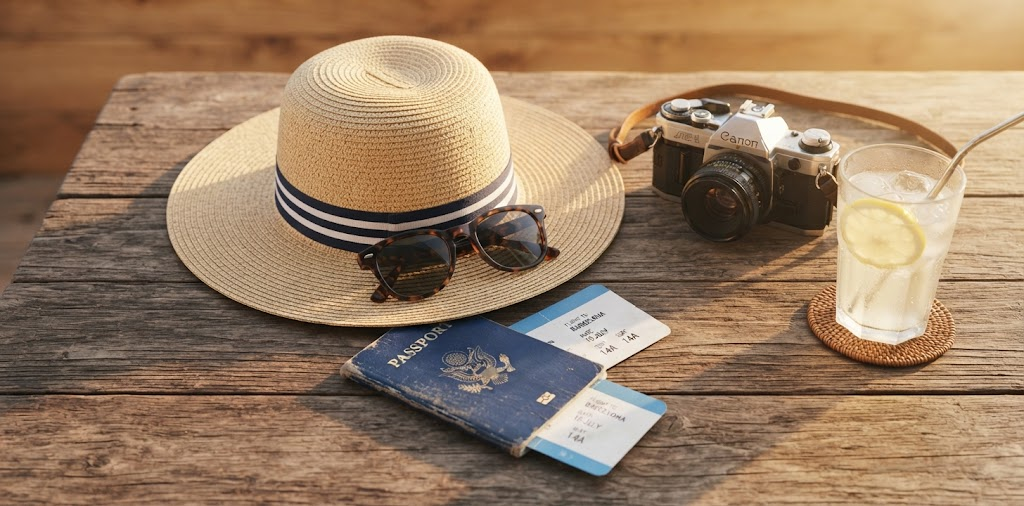
Summer is one of the busiest seasons for travel, which means a little planning can make a big difference. Whether you are planning a beach holiday, a city break, a road trip, or an outdoor adventure, knowing a few practical summer travel tips can help you save money, avoid common problems, and enjoy your trip more.
Plan Your Trip Before You Leave
Good preparation can make your holiday much easier. Start by deciding where you want to go, how long you will stay, and what you want to do once you arrive.
Make a simple itinerary, but avoid filling every hour of the trip. Leaving some free time gives you the flexibility to explore places you discover along the way or simply relax.
Before travelling, check:
- Passport and visa requirements
- Travel insurance
- Weather conditions
- Local transportation
- Accommodation
- Important travel documents
- Entry requirements, if applicable
Book Popular Destinations Early
Summer is peak travel season in many parts of the world. Flights, hotels, rental cars, and popular attractions can become more expensive as demand increases.
Booking important parts of your trip early can give you more choices and potentially better prices.
If your schedule is flexible, compare several dates before making a reservation.
Choose the Right Destination for the Weather
Choosing the right destination can make a major difference to your holiday experience. If you are still deciding where to go, explore our guide to summer travel destinations for more ideas and inspiration.
Summer does not mean every destination will have comfortable weather.
Some places can experience extremely high temperatures, while others may have cooler conditions or frequent rainfall.
Research the typical weather for your exact travel dates rather than relying only on the general idea of “summer.”
If you dislike extreme heat, consider destinations with cooler climates, higher elevations, or coastal locations.
Pack Light but Smart
You do not need to take your entire wardrobe on holiday.
Pack lightweight clothing suitable for the weather, comfortable walking shoes, toiletries, and any essential medication or personal items you normally need.
Useful summer items can include:
- Sunglasses
- Sunscreen
- Hat
- Reusable water bottle
- Lightweight clothing
- Comfortable shoes
- Portable charger
- Small first-aid kit
Check the baggage allowance before heading to the airport so you do not face unexpected fees.
Protect Yourself From the Sun
Spending more time outdoors means greater exposure to sunlight.
Use sunscreen appropriately and consider wearing a hat and sunglasses during prolonged outdoor activities. When temperatures are high, taking breaks in shaded or cool areas can also make your day more comfortable.
If you are travelling somewhere particularly hot, plan outdoor sightseeing for the morning or later afternoon rather than the hottest part of the day.
Stay Hydrated
Hot weather can increase the amount of fluid your body loses through sweating.
Carry water when exploring cities, hiking, visiting beaches, or spending long periods outdoors. If you are participating in strenuous activities, pay attention to how you feel and take breaks when necessary.
Remember that local water quality can vary by destination, so check reliable local guidance about whether tap water is safe to drink.
Check Your Travel Documents
Before leaving home, make sure your important documents are valid and accessible.
Depending on your trip, you may need:
- Passport
- Visa
- Boarding passes
- Hotel confirmations
- Travel insurance details
- Driving licence
- Rental-car documents
- Emergency contact information
Keep digital copies of important documents in a secure location in case the originals are lost.
Before travelling internationally, it is also a good idea to check the latest official travel advice for your destination, including safety information and important travel requirements.
Be Careful With Your Travel Budget
Summer trips can become expensive quickly.
Instead of looking only at the flight price, calculate the total expected cost of your holiday. Include accommodation, transportation, meals, attractions, baggage fees, and other expenses.
Setting a daily spending limit can help prevent you from using too much of your travel budget during the first few days.
Consider Travelling During Shoulder Season
If you want a summer-style holiday without the biggest crowds, consider travelling around the beginning or end of the main summer season.
June and September can sometimes offer a good balance between pleasant weather and lower demand, depending on the destination.
Prices and conditions vary, so compare dates before booking.
Research Local Transportation
Knowing how you will get around before arriving can save time and stress.
Research whether your destination has reliable buses, trains, taxis, ride-sharing services, or rental cars.
For city trips, public transportation may be cheaper and more convenient than renting a vehicle.
For rural destinations, however, having access to a car may give you much more freedom.
Keep Your Phone Ready
Your phone can be one of your most useful travel tools.
Before leaving, download important maps, save booking confirmations, and make sure you have access to your airline and accommodation information.
You may also want to check your mobile provider’s international roaming options or purchase a local SIM or eSIM if appropriate.
A portable charger can also be useful during long travel days.
Be Flexible With Your Plans
Even a carefully planned holiday can experience delays, cancellations, bad weather, or unexpected changes.
Try not to make your schedule so tight that one small problem ruins the entire trip.
Leave some flexibility between major activities, especially when using public transportation or travelling between cities.
Research Local Customs
Every destination has its own customs and expectations.
Learning a few basic local phrases and understanding appropriate clothing, tipping practices, and cultural etiquette can make interactions much easier.
A little preparation also shows respect for the people and communities you are visiting.
Keep Your Valuables Secure
Busy summer destinations can attract large crowds, particularly around tourist attractions, airports, and public transportation.
Keep important documents, money, and electronic devices secure. Avoid carrying unnecessary valuables and remain aware of your surroundings.
If your accommodation provides a safe or secure storage option, consider using it for important items you do not need while sightseeing.
Don’t Forget Travel Insurance
Travel insurance can provide protection against certain unexpected events, depending on the policy.
Before purchasing a policy, read the terms carefully and understand what is covered, including medical emergencies, cancellations, baggage problems, or other travel disruptions.
The right coverage depends on your destination and individual circumstances.
Final Thoughts
Following a few simple summer travel tips can make your holiday more comfortable and less stressful. Plan important details early, research the destination, prepare for the weather, protect your budget, and leave enough flexibility for unexpected changes.
Most importantly, do not let planning take away from the experience. A well-prepared trip gives you more freedom to relax, explore, and enjoy your summer adventure.
 Michelle Yeoh